Conventional NDT Services: Ensuring Safety, Quality and Reliability
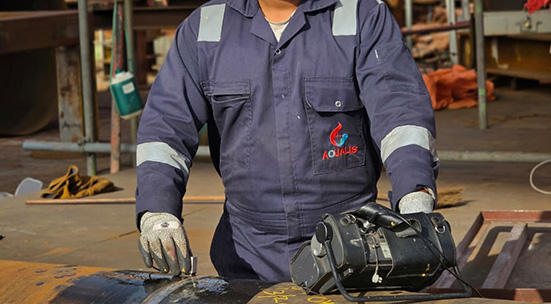
Conventional Non - Destructive Testing (NDT) describes a process in which welds, materials or equipment can be examined for internal and surface defects without causing any damage or affecting their future usability. These proven inspection methods play a critical role across industries such as Oil & Gas, Construction, Manufacturing, Power Plants and Infrastructure, where safety and performance are non - negotiable.
By evaluating components in their operational condition, conventional NDT helps organizations maintain high standards of workmanship while minimizing risk. It ensures that structural integrity is preserved throughout the lifecycle of assets, from fabrication and installation to routine maintenance and shutdown inspections.
Proven Inspection Techniques for Reliable Results
Conventional NDT Services employ established testing techniques such as Visual Testing (VT), Ultrasonic Testing (UT), Radiographic Testing (RT), Magnetic Particle Testing (MPT) and Dye Penetrant Testing (DPT). Each method is selected based on material type, component geometry and inspection objectives. These techniques are highly effective in detecting cracks, corrosion, porosity, lack of fusion and other defects that may compromise performance or safety.
The reliability of Conventional NDT lies in its consistency and global acceptance. When performed by qualified and certified inspectors, these methods deliver accurate, repeatable results that industries can trust.
Enhancing Safety and Preventing Failures
One of the primary objectives of Conventional NDT is to prevent failures before they occur. Early detection of defects reduces the risk of accidents, equipment breakdowns and unplanned downtime. This proactive approach not only protects personnel and assets but also supports uninterrupted operations in high - risk environments.
Regular NDT inspections help identify wear and degradation trends, enabling timely repairs and maintenance planning. This significantly lowers the likelihood of catastrophic failures and improves overall workplace safety.
Compliance with Industry Standards and Regulations
Conventional NDT Services support compliance with national and international codes, standards and client specifications. Many regulatory bodies require periodic inspections to ensure that equipment and structures meet safety and quality requirements.
By maintaining detailed inspection records and certified test results, organizations can demonstrate compliance, pass audits with confidence and build trust with clients, regulators and stakeholders.
Supporting Long - Term Asset Integrity
Beyond defect detection, Conventional NDT plays a vital role in asset integrity management. It helps extend the service life of equipment by ensuring that materials perform as intended under operating conditions. This leads to optimized maintenance schedules, reduced repair costs and improved return on investment. With its balance of reliability, cost - effectiveness and proven performance, Conventional NDT remains a cornerstone of quality assurance and safety management across industries.
In conclusion, Conventional NDT Services provide a dependable and cost - effective approach to safeguarding safety, quality and performance across critical assets. By enabling early defect detection, ensuring regulatory compliance and supporting long - term asset integrity, these proven inspection methods help organizations minimize risk, reduce downtime and maintain operational excellence. With experienced professionals and globally accepted techniques, Conventional NDT continues to be an essential pillar of reliable inspection and quality assurance.